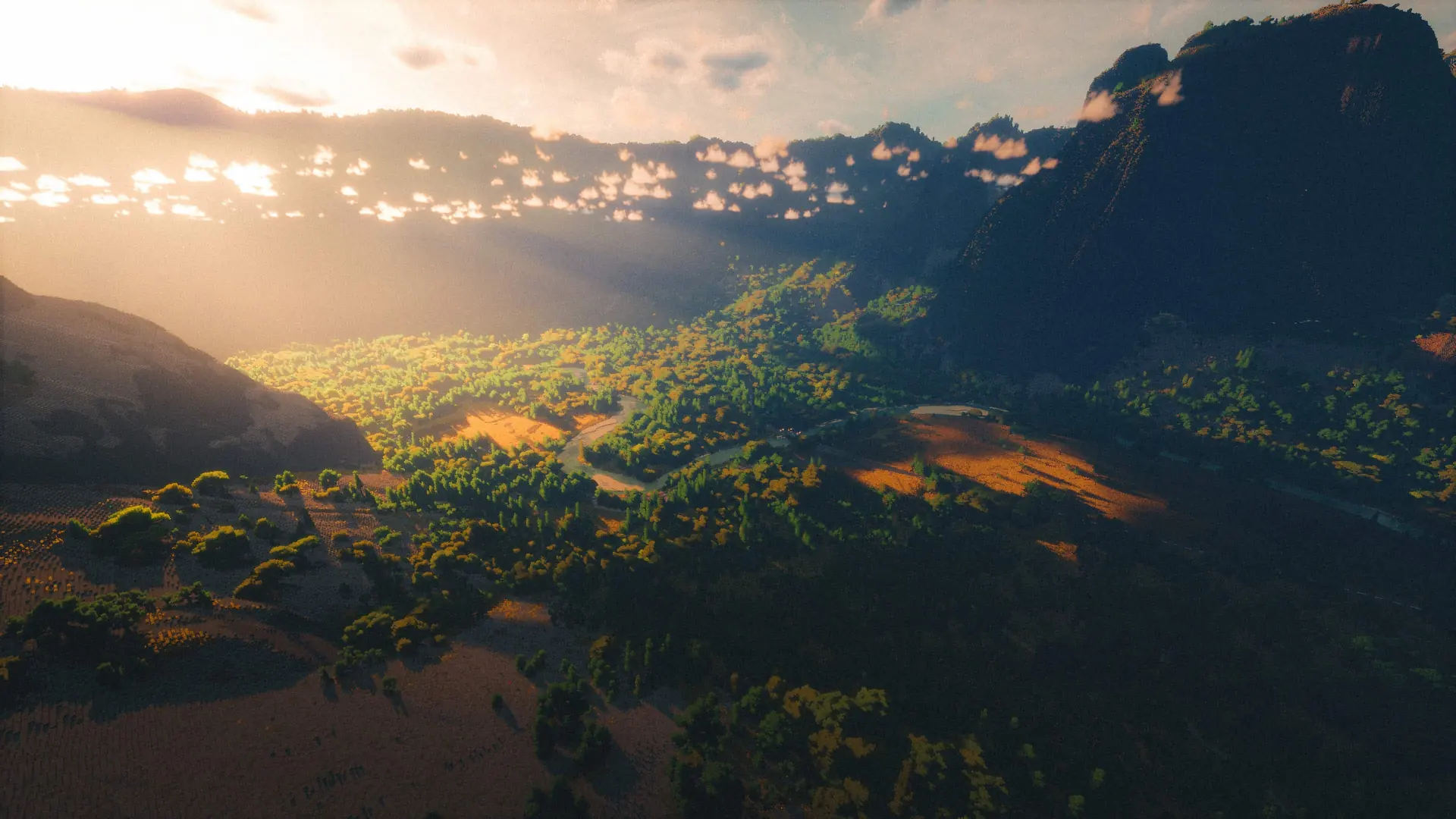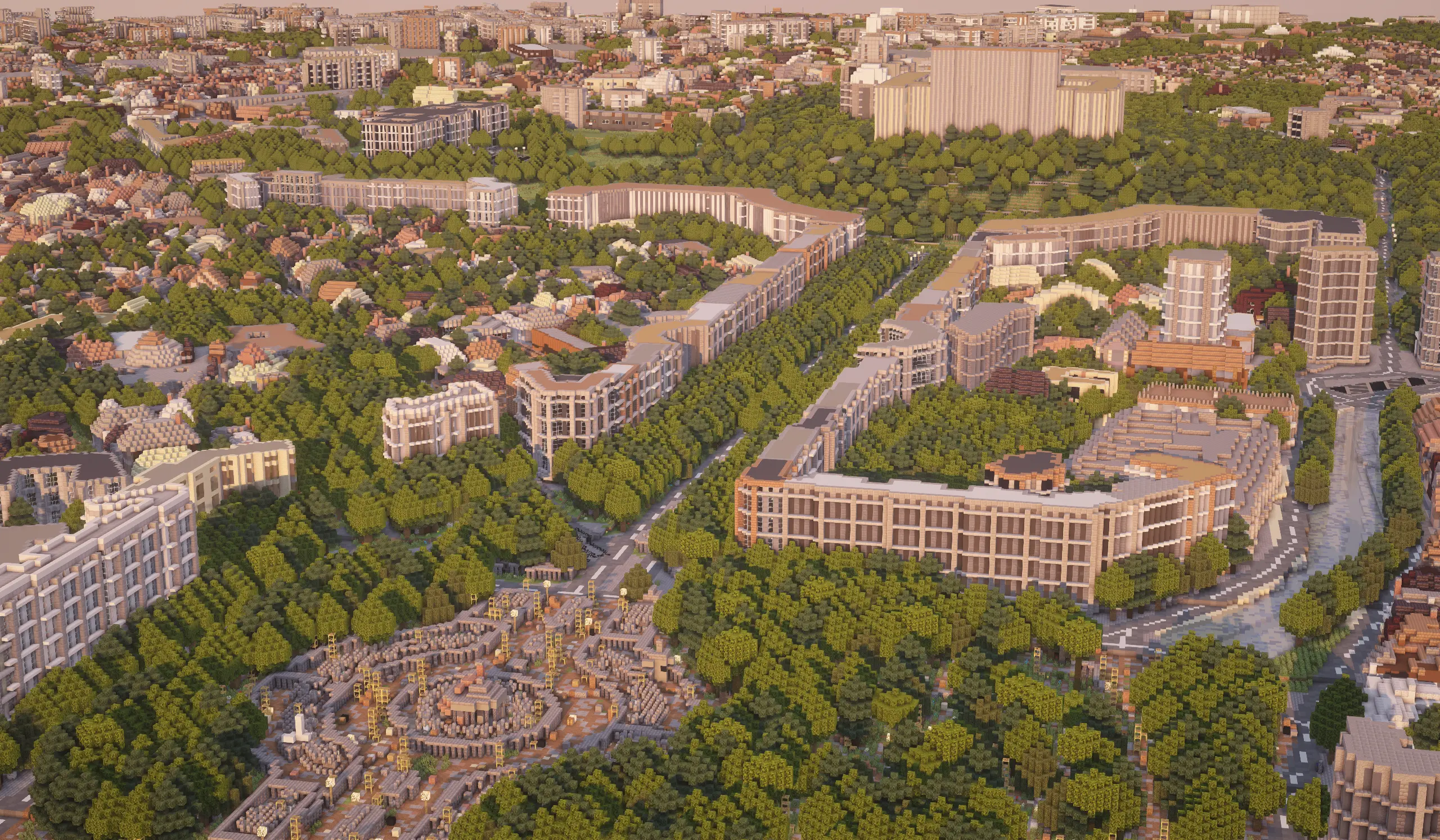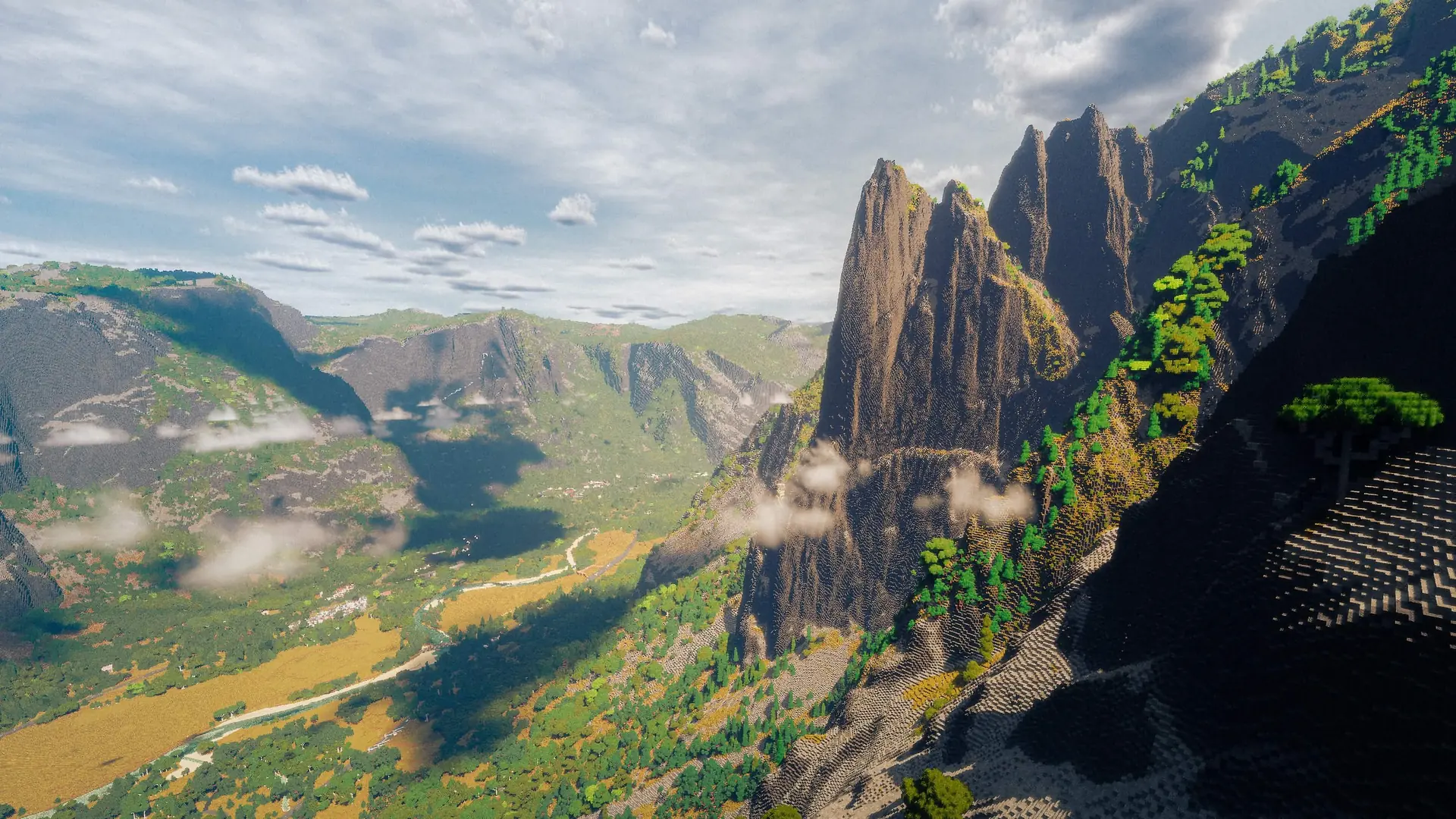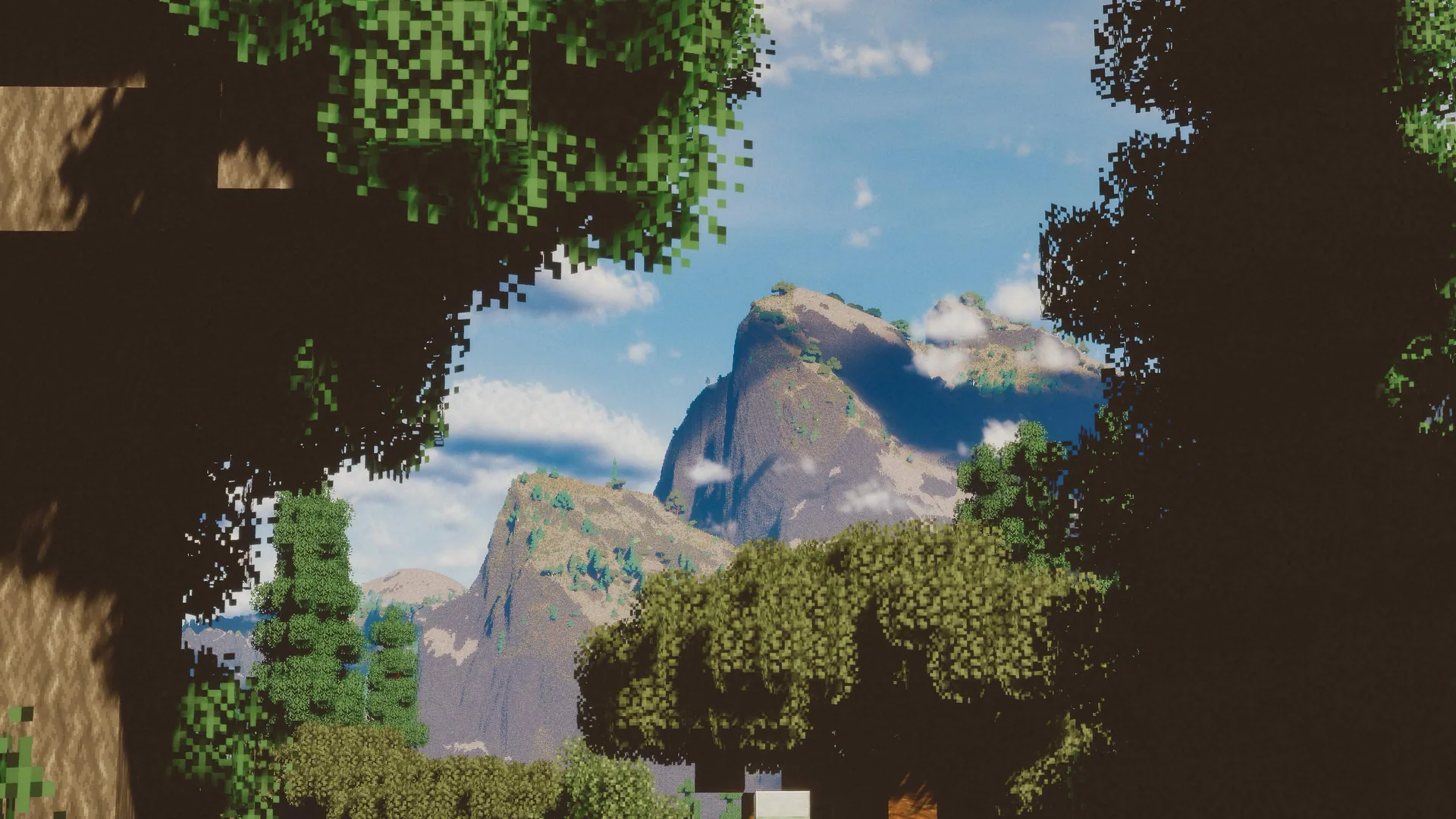






Meld NEW Meld Farmlands (1.8) is live: real field parcels, crop plots, wildflower meadows, rocks & bushes

From a city block
to a whole continent

Meld is a free, open source real-world Minecraft world generator built on Arnis.

countries & continents ~2x faster* 99% seamless

*About 2x on the same area. The real win is scale: whole countries built as one seamless world.

// why meld

One run is slow. Meld runs it all at once.

A single Arnis run builds the whole map one step at a time, on a single worker. Meld splits it into tiles and runs many workers at once, spreading the job across your CPU.

One giant Arnis pass
  • Everything runs on a single worker, so big areas are slow.
  • The whole world is written in one long flush that hammers the disk.
  • Separate runs do not share a height range, so they step at the borders.
  • The longitude math drifts content off the region grid, leaving grass seams.
Meld
  • The area is split into region aligned cells, built by many Arnis instances in parallel (up to 16).
  • Writes spread across many bounded region files, not one giant flush.
  • One shared height range across every cell, so the terrain has no cliffs.
  • Origin anchored coordinates plus a shared seed, so tiles land on the region lines.
// pipeline

How it works

Five steps, from a selection on the map to a world you can open.

  1. 1
    Select the area

    Draw a rectangle on the map or search a place.

  2. 2
    Anchor the origin

    Meld auto centers the origin on your selection, snapped to a region corner, then tiles the area into region aligned cells. Every block is measured from that origin, so the whole project stays on one grid.

  3. 3
    Lock the elevation

    A quick terrain survey locks one height range and one seed, shared by every cell, so there are no cliffs.

  4. 4
    Generate in parallel

    Cells queue and run at the same time, each Arnis instance using the global origin, seed and elevation lock.

  5. 5
    Meld the regions

    Each tile's finished region files copy into the final world. The overlap buffer is thrown away, and a safety check blocks a broken merge.

The result is one Minecraft world you can open and walk, with no seams, no cliffs and no missing regions. Full walkthrough →

// features

What's in the box

🧩
Region perfect merge

Cells own whole region files, so every seam falls on a region boundary and the merge keeps complete regions.

⚙️
Parallel workers

A worker pool that aims for about 8 and scales up to 16 runs Arnis instances in parallel. A Recommend check tunes it to your CPU, RAM and disk.

📥
Shared OSM prefetch

Meld downloads the area's OpenStreetMap data once and shares it to every cell, so parallel runs never hit the Overpass rate limit.

🔭
LOD ready

Chunk lighting is baked in, so distant chunks render lit in Distant Horizons and Voxy without flying the whole world.

💾
Gentler on the SSD

Many small bounded region writes instead of one multi gigabyte serial flush of a single giant world.

⛰️
Global elevation lock

One surveyed height range maps the same way in every cell, so the terrain has no terraced cliffs.

🎲
Tile invariant seed

A shared seed makes scatter and building choices deterministic, so a feature on a seam matches both sides.

🌳
Seamless scatter

Forests, parks and plants use a position seeded RNG, so trees line up across tile borders.

♻️
Resume and retry

Re-run only the cells that are not merged, or click one cell to regenerate it. Crash and overnight safe.

📁
Multi world saves

Point the save folder at your saves directory, and each world is its own named subfolder.

📊
Live report

Estimated size, a live elapsed timer, and a final report with the actual time and on disk size.

Tuned to your PC

A one click check reads your CPU, RAM and disk speed and recommends the best cell size and worker count.

Build a city. Or a whole continent.

Run it locally, draw an area, and turn the map into Minecraft.